OCD Treatment in Brookline, MA
Obsessive-Compulsive Disorder (OCD) can significantly disrupt a child, adolescent, or young adult’s daily life, relationships, school or work functioning, and sense of safety. Individuals with OCD often feel trapped in cycles of intrusive thoughts and compulsive behaviors that interfere with their ability to focus, relax, or feel in control.
At Kiwi Recovery, we provide structured, evidence-based OCD treatment for children, adolescents, and young adults. Our approach helps individuals understand their symptoms, reduce compulsive patterns, and build effective coping and regulation skills within a supportive, developmentally appropriate environment.
What Is Obsessive-Compulsive Disorder (OCD)?
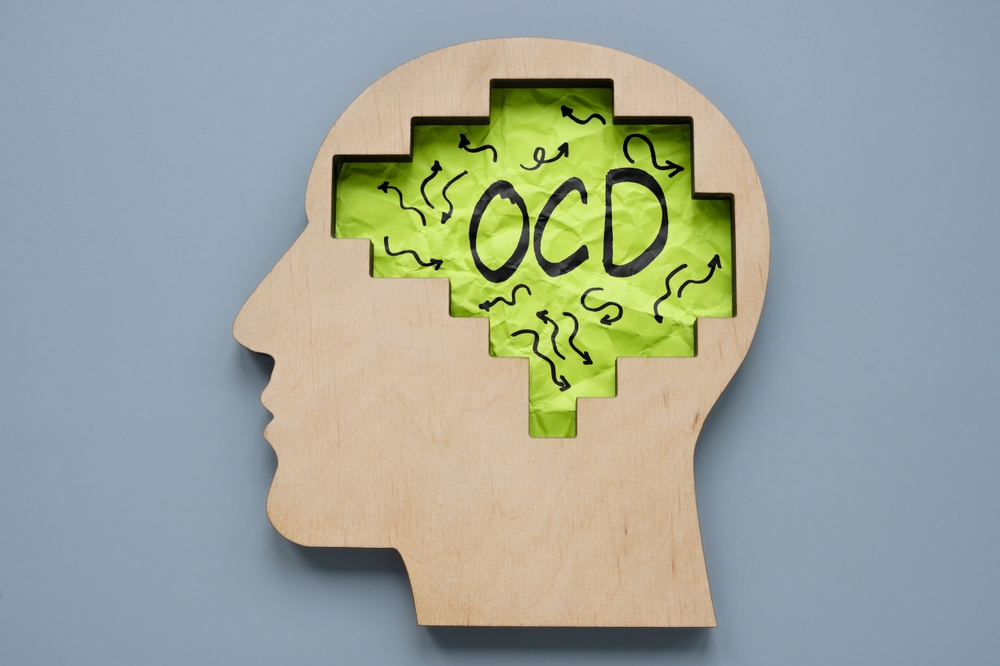
OCD is a mental health condition characterized by obsessions (intrusive, unwanted thoughts, urges, or images) and compulsions (repetitive behaviors or mental acts performed to reduce distress). While anxiety is often present, OCD is distinct in that relief from compulsions is temporary, reinforcing rigid cycles over time.
OCD can present differently depending on age and developmental stage. Some individuals experience contamination fears, intrusive thoughts, checking behaviors, reassurance-seeking, counting, ordering, or mental rituals. Without appropriate treatment, OCD symptoms often become more time-consuming and disruptive across home, school, work, and relationships.
Signs & Symptoms May Include:
- Intrusive or distressing thoughts that feel difficult to ignore
- Repetitive behaviors (checking, washing, counting, ordering, repeating)
- Mental compulsions (replaying thoughts, neutralizing fears, reassurance-seeking)
- Excessive need for certainty or reassurance
- Fear of making mistakes or causing harm
- Avoidance of specific people, places, or situations
- Rigid routines or rules that feel “necessary”
- Intense distress when routines are interrupted
- Difficulty concentrating or completing school or work tasks
- Shame, secrecy, or frustration around symptoms

Why Choose Kiwi Recovery in Brookline, MA for OCD Treatment?
Kiwi Recovery offers a structured, predictable, and emotionally supportive environment designed specifically for children and adolescents. Our team uses evidence-based modalities — Dialectical Behavior Therapy (DBT), Cognitive Behavior Therapy (CBT), and family work — to help young people interrupt OCD cycles and build flexibility.
We focus on skill-building, emotional safety, and family collaboration, rather than shame-based or overly aggressive interventions.
What Makes Kiwi Different:
- Developmentally appropriate programming across age groups
- DBT skills adapted for distress tolerance, emotional regulation, and cognitive flexibility
- CBT-informed strategies for obsessive thinking and compulsive behaviors
- Support for reducing reassurance-seeking and accommodation patterns
- Weekly family sessions focused on OCD-specific dynamics
- Psychiatric evaluation and medication management when appropriate
- Animal-Assisted Therapy (canine + equine)
- Mindfulness, grounding, and movement-based interventions
- Structured daily routines that reduce overwhelm and reactivity
- Individualized treatment plans for co-occurring anxiety, depression, trauma, or school avoidance

Start Your Intake
with one of our OCD Treatment Specialists
Please call
How We Treat OCD at Kiwi Recovery
Clients participate in structured full-day or half-day programming designed to help them understand OCD, tolerate distress, and interrupt compulsive cycles.
Our Approach Includes:
Individual Therapy
Using DBT, CBT, Motivational Interviewing (MI), and supportive counseling, clinicians help clients:
- Identify obsessive thought patterns
- Understand the function of compulsions
- Build distress tolerance and cognitive flexibility
- Reduce reliance on reassurance and avoidance
Group Therapy
Core therapeutic groups provide consistency, accountability, and skill development:
- Intentions Group – grounding, emotional check-ins, daily goals
- Skills Teaching – DBT skills for emotion regulation, distress tolerance, and mindfulness
- Adaptive Coping Skills – responding to intrusive thoughts without compulsions
- Relapse Prevention Group – reducing ritualization and avoidance patterns
- Reflection Group – processing progress and reinforcing skill use
Family Support
Weekly family sessions help caregivers:
- Understand OCD cycles and accommodation patterns
- Learn how to respond without reinforcing compulsions
- Improve communication and emotional validation
- Support independence and confidence at home
Psychiatric Care
Psychiatric evaluation and medication management are available when OCD symptoms significantly impair functioning or co-occur with anxiety, depression, or sleep disruption.
Experiential Therapies
Mindfulness, grounding exercises, movement, art therapy, and animal-assisted therapy help clients regulate distress and practice flexibility in real-world settings.
Academic & Functional Support
School- or work-aligned support helps reduce stress and disruption that can intensify OCD symptoms.
What Clients Learn in OCD Treatment
Clients learn how to:
- Recognize intrusive thoughts without engaging them
- Tolerate uncertainty and distress more effectively
- Reduce compulsive behaviors and reassurance-seeking
- Build emotional regulation and cognitive flexibility
- Strengthen communication and self-advocacy
- Improve family, peer, school, or work functioning
- Rebuild confidence and autonomy
Levels of Care Offeredd
Kiwi Recovery provides multiple levels of care for OCD:
-
Partial Hospitalization Program (PHP)
-
Intensive Outpatient Program (IOP)
-
Each level offers structured support while allowing progress at a pace aligned with developmental and clinical needs.
When to Seek Help
Consider reaching out if you notice:
- Intrusive or distressing thoughts
- Compulsive behaviors or mental rituals
- Excessive reassurance-seeking
- Rigid routines or distress around change
- Avoidance of school, work, activities, or people
- Emotional overwhelm, irritability, or shutdown
- Declining academic, social, or daily functioning
-
Early, specialized support can prevent OCD patterns from becoming more entrenched over time.